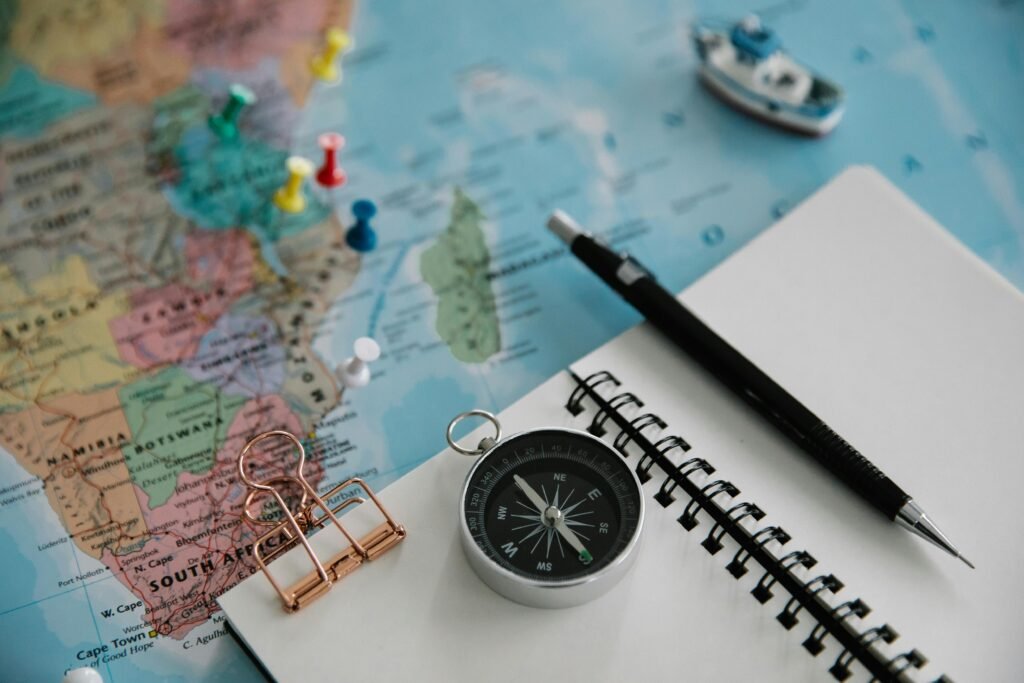
The secret to a truly great travel itinerary isn't picking a destination first. It's about starting with a clear vision for your trip. This process really boils down to three key parts: figuring out your travel style and budget, finding places that actually match that vision, and then building out your day-to-day plan. Think of it like creating a blueprint before you even think about laying the foundation.
Start with Your Travel Vision Not Your Destination

Before you book a single flight or browse any hotels, the best trips start with one simple question: What do I want this vacation to feel like? Getting honest with yourself here is the bedrock of an itinerary that you'll actually love.
Are you dreaming of leisurely mornings sipping coffee in a quiet European café, or is the thrill of hiking a volcano at sunrise calling your name? Pinpointing your personal travel style—whether it's adventure, pure relaxation, deep cultural immersion, or a little bit of everything—is the most important first step. This vision becomes your North Star, guiding every single decision you make from here on out.
Establish Your Budget and Timeframe
Once you know the vibe of your trip, it's time to get into the practical stuff. A realistic budget isn't just a number; it’s the tool that brings your travel dreams into sharp focus. It will shape where you can go, how long you can stay, and what kind of experiences you can afford.
When you're crunching the numbers, be sure to think beyond just the big-ticket items. A solid travel budget covers it all:
- Transportation: This includes your main flights or trains, plus any rental cars and local transit you'll need.
- Accommodations: Are you a hotel person, a hostel adventurer, or a vacation rental fan?
- Food & Drink: Everything from grabbing street food to sitting down for a nice dinner.
- Activities & Tours: Think museum tickets, guided excursions, and park entry fees.
- Miscellaneous: Don't forget souvenirs, travel insurance, and a little extra cash for those "just in case" moments.
Your timeframe is just as crucial. Trying to cram a 10-day trip to Southeast Asia in from North America can leave you feeling more jet-lagged than inspired. On the other hand, a long weekend getaway to a city just a short flight away could be the perfect reset. Being realistic about your time and money from the get-go saves a lot of frustration down the road.
To help you nail down these core elements, here's a quick checklist. Answering these questions gives you a solid foundation before you start planning the details.
Your Trip Foundation Checklist
| Planning Step | Key Questions to Ask Yourself |
|---|---|
| Travel Style | Am I looking for relaxation, adventure, culture, nightlife, or a mix? |
| Travel Pace | Do I want to see as much as possible, or relax and explore one or two places deeply? |
| Budget | What is my absolute maximum spend? How much can I comfortably allocate to flights, lodging, and activities? |
| Timeframe | How many vacation days do I have? How much time do I want to dedicate to actual travel vs. being at the destination? |
| Companions | Am I traveling solo, with a partner, family, or friends? What are their preferences and needs? |
With these answers in hand, you have a clear, personalized framework that makes the next step—choosing a destination—infinitely easier.
Choosing a Destination That Aligns
Okay, now you can finally start looking at destinations! With a clear vision, a solid budget, and a defined timeline, this part of the process is so much more focused. Instead of drowning in a sea of infinite possibilities, you can filter for places that perfectly match what you're looking for.
One of the biggest mistakes I see travelers make is picking a trendy destination from Instagram without stopping to think if it actually fits their travel style. A trip built around your own genuine interests, not someone else's highlight reel, is always going to be more fulfilling.
For instance, if your vision is a laid-back beach escape on a tight budget, you'd be better off researching coastal towns in Mexico rather than the eye-wateringly expensive resorts in Bora Bora. If you have two full weeks and a love for ancient history, you can zero in on the historic sites of Greece or Italy.
For those planning a more complex journey, getting a handle on the fundamentals of how to plan international travel can provide a great roadmap. This initial research phase ensures your entire itinerary is built on a foundation that's solid, personal, and perfectly suited to you.
Crafting Your Daily Itinerary Flow
Alright, you’ve got the big picture in mind. Now comes the fun part: turning those dreams into a practical, day-by-day plan. This is where we move from "what I want to see" to "how I'm actually going to see it" without losing our minds. The secret? Thinking geographically.
I see this mistake all the time: a list of incredible sights with zero thought given to where they are. That's a recipe for spending half your vacation—and a good chunk of your budget—just getting from A to B. So, the first thing you need to do is pull up a map. Group your must-see spots by neighborhood. Trust me, this simple step is the key to a smooth, efficient trip.
This is the foundational work that makes the rest of the planning so much easier. Once you know your interests and have a shortlist of destinations, you can start slotting them into a logical daily schedule.

As you can see, those initial decisions directly shape the activities that will fill your days.
Structuring Your Days
Let's walk through a real-world example. Imagine a 3-day trip to Rome. A rookie mistake would be to plan the Vatican in the morning and the Colosseum in the afternoon. You'd be fighting traffic all day, crisscrossing the entire city. A seasoned traveler, on the other hand, clusters their activities.
- Day 1 (Ancient Rome): Start your morning at the Colosseum. When you're done, the Roman Forum and Palatine Hill are right next door, making for a perfect afternoon of exploring. No taxis needed.
- Day 2 (Vatican City): This is a day trip in itself. St. Peter's Basilica, the Vatican Museums, and the Sistine Chapel are all packed into one small, independent state. Give it the full day it deserves.
- Day 3 (City Center Charm): This day is for wandering. The Spanish Steps, Trevi Fountain, and the Pantheon are all an easy, and beautiful, walk from one another.
This approach doesn't just save you precious time; it cuts down on the stress of navigating a new city and lets you really soak in the unique vibe of each area. For bigger trips, you can get more ideas from detailed guides on how to create a 7-day trip to Europe under $1000 using AI, which apply this same smart-clustering logic.
Balancing Structure and Spontaneity
A plan is essential, but over-scheduling is the fastest way to turn an adventure into a chore. Some of my best travel memories came from moments I never planned—stumbling upon a hidden alley, finding a fantastic local cafe, or just sitting on a bench people-watching. A good itinerary needs breathing room.
A solid rule of thumb is to schedule no more than two or three main activities per day. This gives your days a focus without making you feel rushed, leaving plenty of time for those happy accidents and a bit of rest.
Don't forget the little things that can trip you up. Always factor in the time it takes to get between places, whether you're walking or waiting for a bus. Double-check opening and closing times for that museum or restaurant you're excited about. These small logistical details are what make a plan truly work, keeping frustrations at bay and letting your days unfold effortlessly.
Using Modern Tools for Smarter Itinerary Planning

Let’s be honest: messy spreadsheets, a dozen open browser tabs, and crumpled booking confirmations are a terrible way to start a trip. Thankfully, those days are behind us. Technology has completely flipped the script on how we build a travel itinerary, making the process faster, smarter, and way more enjoyable.
The right digital tools can bring all your plans together, optimize your daily routes, and save you from those all-too-common travel headaches.
Dedicated travel apps are a great place to start. Think of them as a central command center for all your trip details, from flight numbers and hotel addresses to dinner reservations.
- TripIt is a classic for a reason. It scans your email inbox for confirmations and automatically builds a master itinerary for you.
- Wanderlog is brilliant if you're a visual planner. It lets you plot all your stops on a map, so you can easily see the distances and group activities by neighborhood.
- Google Maps Lists is a surprisingly simple but powerful tool. You can save and organize all the places you want to visit, making it easy to see what’s nearby when you’re out exploring.
While these apps are fantastic for organization, the real breakthrough in recent years has been artificial intelligence.
Harnessing AI for Personalized Planning
Generative AI is like having a personal travel assistant on call 24/7. It can brainstorm ideas, uncover hidden gems the guidebooks miss, and even draft entire daily schedules based on your unique interests. The trick is to give it good instructions.
Don't just ask for a "trip to Tokyo." You'll get a generic, cookie-cutter plan. Instead, get specific with your request.
"Create a 5-day walking-focused itinerary for Tokyo for a solo traveler who loves street photography, vintage clothing stores, and small, local ramen shops. Avoid major tourist traps and include one day trip to a quieter, scenic area accessible by train."
See the difference? This detailed prompt gives the AI the guardrails it needs to create a plan that actually feels like yours. You can dig into the top 5 benefits of using an AI travel planner to see just how much time this can save.
This isn't just a niche trend. As of 2025, 15% of travelers are already using generative AI for their trip planning. It's especially popular for discovering new activities (61%) and finding great places to eat (47%).
Comparing Popular Itinerary Tools
So, which tool should you use? It really depends on your personal planning style. Some people love automation, while others want to be hands-on with every detail.
Here’s a quick breakdown to help you find the right fit for your next adventure.
| Tool | Best For | Key Feature |
|---|---|---|
| TripIt | The Organizer | Automatically pulls all your bookings from your email into one master itinerary. |
| Wanderlog | The Visual Planner | Perfect for mapping out daily routes and seeing your whole trip laid out geographically. |
| Google Maps | The Minimalist | Simple, effective, and great for saving points of interest and navigating on the ground. |
| Generative AI | The Explorer | Unbeatable for brainstorming creative ideas and getting a personalized first draft. |
In my experience, the best approach is often a mix-and-match. I’ll often use AI to get the initial ideas flowing, then plug the final plan into Wanderlog for visual organization, and rely on Google Maps for real-time directions once I’m there.
By playing around with these modern tools, you can build a smarter, more efficient, and deeply personal travel itinerary that truly works for you.
How to Tailor Your Itinerary for Different Travelers

Here's the secret to crafting an itinerary everyone actually loves: no two travelers are the same. A killer plan for a solo backpacker will almost certainly be a disaster for a family with toddlers. The real magic happens when you customize the trip based on who you're traveling with—that’s what elevates a trip from just "good" to truly unforgettable.
It all comes down to understanding what makes each person tick. A couple on a romantic getaway is probably looking for intimate dinners, scenic spots for two, and long, lazy walks. A solo traveler, on the other hand, needs a plan with more flexibility, a heavy focus on safety, and maybe a few built-in opportunities to connect with others.
Planning for Modern and Family Travelers
Younger travelers, especially, are completely changing the game. Recent reports show that a staggering 68% of Gen Z now prefer adventure-based vacations—think hiking, cultural workshops, and local immersion—over just seeing the typical sights. For them, a great trip isn't about checking off a list of landmarks; it's about collecting real, authentic experiences.
Sustainability is another huge piece of the puzzle. With 56% of them actively choosing destinations known for being eco-friendly, you can't ignore it. You can dive deeper into these trends with this detailed report on PeekPro.com.
Now, throw a family into the mix, and you’re dealing with a whole different ballgame. The pace has to slow way down, with plenty of room for nap times and the inevitable random meltdown.
A solid family itinerary absolutely needs:
- Kid-Friendly Activities: We’re talking interactive museums, big open parks, and anything hands-on.
- Logistical Genius: Knowing where the closest public restroom is at all times and having snacks on hand is non-negotiable.
- Built-in Downtime: Over-scheduling is your worst enemy. A quiet afternoon by the hotel pool can be just as valuable as a trip to a world-famous monument.
The best family itineraries are built around a single "main event" each day. This gives the day a focus without overwhelming the kids and leaves plenty of space for spontaneous fun or much-needed rest.
Tailoring to Solo and Couple Travel Styles
Solo travel is the ultimate freedom, but that freedom requires a specific kind of planning. Safety is everything, and it should guide your decisions on everything from where you stay to what you do after dark. A smart solo itinerary usually locks in the essentials (like your first night's accommodation) but leaves big chunks of the day open for wandering, getting lost, and making those amazing local discoveries.
Couples, on the other hand, are typically looking for shared experiences that bring them closer. Their itinerary might be built around things like:
- A cooking class where they can learn to make a local dish together.
- A dinner reservation at a restaurant famous for its romantic atmosphere.
- An activity that requires teamwork, like kayaking or a challenging hike to a sunset viewpoint.
In the end, knowing how to build a travel itinerary that clicks with everyone comes down to empathy. Put yourself in your travel companions' shoes for a moment. Once you can do that, you can create a plan that truly speaks to everyone's travel dreams. For a closer look at this, see how AI travel planners tailor trips to every style in our other guide.
Finalizing and Sharing Your Master Plan
Alright, you’ve done the hard work—the research is finished, and the big decisions are made. Now it's time to pull everything together into your trip's command center. This isn't just a simple schedule; it’s a master plan that holds every crucial detail you'll need on the ground.
The goal here is to create a single, practical document that you and your travel buddies can rely on. Think of it as the ultimate cheat sheet for your entire trip.
Get It All in One Place
Start by corralling all those scattered details. We're talking flight confirmations, hotel addresses, booking numbers, tour details, and emergency contacts. Hunting for a confirmation email or a tour operator's phone number at the last minute is a recipe for stress. A well-organized plan prevents all that chaos.
Find the Right Format for You
What's the best format? Honestly, it’s the one you’ll actually use.
Digital tools are fantastic for this. A shared Google Doc or a note in an app like Evernote syncs across your devices, making real-time updates a breeze. For group trips, a shared document is a game-changer because everyone can see the latest version and add their own info.
But don't put all your faith in technology. Batteries die, Wi-Fi can be sketchy, and phones can get lost. I always recommend having a physical backup. A simple printout or even just screenshots of the most critical info saved to your phone's photo album can be a real lifesaver.
My Two Cents: Treat your shared itinerary like a living, breathing document. Give editing access to your travel partners so they can plug in their own booking confirmations or add notes. When everyone contributes, they feel more invested and prepared.
The Anatomy of a Perfect Itinerary
To make your plan truly bulletproof, organize it day-by-day. Each day should be its own section, with every single relevant detail laid out clearly. It's about having the right information at your fingertips exactly when you need it.
Here’s a quick rundown of the essentials for your master plan:
- Travel Details: Flight numbers, departure and arrival times, and all those confirmation codes.
- Accommodation Info: Hotel names, full addresses (with postal codes!), phone numbers, and check-in/out times.
- Transportation Logistics: Car rental booking numbers, train schedules, or notes on navigating local public transit.
- Activity Confirmations: Tour start times, ticket references, and contact details for the operators.
- Emergency Contacts: Local emergency numbers (911 isn't universal!), the address of your country's embassy, and your travel insurance policy number.
This level of detail means you're ready for just about anything. And while you’re getting prepared, don't forget that what you pack is just as important as where you're going. For some solid advice on that front, check out our guide on how to pack efficiently.
Once your masterpiece is complete, share a copy with a trusted friend or family member back home. It's a simple step that provides an extra layer of security, just in case.
Common Itinerary Planning Questions
Even the most seasoned travelers have questions when mapping out a new adventure. Getting a handle on these common queries ahead of time can make all the difference, turning a stressful planning session into an exciting one. Let's tackle some of the biggest "what ifs" that pop up.
Thinking through these details is what elevates a rough outline into a seamless, real-world travel plan. It's all about smoothing out the little bumps in the road before you even leave home.
How Far in Advance Should I Plan an Itinerary?
When it comes to travel, timing really is everything. For big international trips, especially if you’re heading to a popular spot, I always recommend starting the process three to six months out. This is the sweet spot for snagging decent flight prices and getting your pick of accommodations before they're all booked up.
This longer lead time also gives you a buffer to book those high-demand tours or coveted restaurant reservations that can fill up months in advance. If you're planning a shorter domestic trip, you can usually get away with planning one to two months ahead. The main goal is simply to give yourself enough breathing room to avoid the last-minute price hikes and stress.
Should I Schedule Every Minute of My Trip?
Absolutely not. It’s so easy to fall into the trap of cramming your schedule full of activities, but that's the fastest way to turn a vacation into a chore. The best trips I've ever taken found a healthy balance between having a plan and leaving room for the unexpected.
The real magic of travel often happens in the unplanned moments—the side street you wander down, the cafe you stumble upon, or the conversation you strike up with a local. Leaving room for discovery is just as important as scheduling your must-see sights.
Focus on locking in your non-negotiables first: flights, hotels, and any specific activities that need to be booked ahead. From there, I suggest penciling in just one or two main attractions per day. This gives your day some direction but leaves plenty of space for spontaneous exploring, afternoon naps, or just sitting at a cafe and soaking it all in.
What Is the Best Format for My Itinerary?
Honestly, the best format is whichever one you’ll actually look at and use. Digital tools are fantastic for this. A simple shared Google Doc or a dedicated app like TripIt can pull all your confirmations and notes into one place, making everything accessible on your phone and easy to share with others.
But a word of caution: never rely 100% on technology. Phones die, and Wi-Fi can be spotty when you need it most. Always have a low-tech backup. I make it a habit to take a few screenshots of my flight details and the address of my first night's hotel. Even a single printed page with the essentials can be a total lifesaver in a pinch.
How Do I Make an Itinerary for a Group?
Planning a trip for a group is all about communication and compromise. The secret is getting everyone on the same page right from the very beginning.
- Gather Priorities: Before a single thing gets booked, ask everyone for their top two or three must-do activities. This gives you a clear picture of what matters most to each person.
- Find the Overlap: Look for the activities that show up on multiple lists. These are your golden tickets—build the core of your itinerary around these shared interests.
- Schedule "Do Your Own Thing" Time: Don't forget to block out chunks of free time. This allows people to break off into smaller groups or go solo to pursue their own interests, which prevents anyone from feeling like they're just being dragged along.
- Use a Shared Document: A collaborative tool like Google Docs is perfect. It lets everyone toss in ideas and watch the plan come together, which helps everyone feel invested in the trip.
This approach makes sure everyone feels heard and gets to do something they're genuinely excited about. It's the key to a happy, harmonious group vacation.
Ready to build your next adventure without the hassle? The People Travels uses smart AI to craft personalized itineraries that match your unique travel style. Start planning your perfect trip today at thepeopletravels.com.